Pickings
"something that is picked or picked up: such as gleanable or eatable fragments - Merriam-Webster Dicitionary
"something, especially money, that can be obtained from a particular situation in an easy or a dishonest way" Oxford Learners Dictionary
Odd that the Americans and the British seem to have a different meaning for pickings. Of course once you start adding descriptors to 'pickings' you narrow down the meanings somewhat - slim pickings, rich pickings, easy pickings, grim pickings ... Me, I'm focussing on the pickings part of those phrases - bits and pieces I suppose.
The Americans would seem to be focussed on food things, but if you feed it into Google Images, you find there is a cowboy kind of clothing company that dominates.
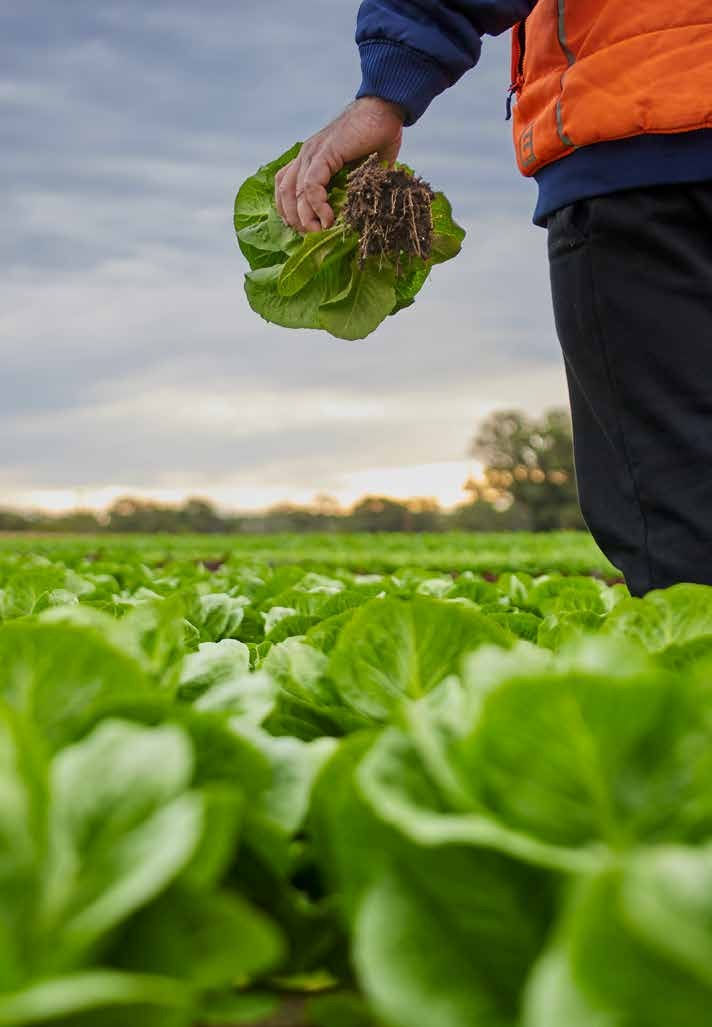
From the picking of food point of view - in the sense of harvesting, the pictures showed everything from mechanised picking of fruit and vegetables - though not as much as you might think on that, to hand harvesting in sheds and fields, orchards and vineyards, to foraging in the woods. And let's not forget that this is where the backpackers keep the Australian farming industry going. Well not everywhere, but in lots of places.
So in no particular order - here is what I have this time.
Mushrooms on toast
This is an example of slim pickings - so slim to my mind that I broke one of my first recipe rules. The book was the last in the series of River Cottage handbooks - and because so British, sort of irrelevant to Australia - all the information about British mushrooms that is. And the first recipe was Mushrooms on toast - I mean what is there to say about that? Well probably a lot if I was feeling more inventive and in an exploratory mood - I see for example that Google Images has dozens of photos of tantalising looking examples. However River Cottage just had the picture above - what is there to say? Mushrooms, toast ... So to my shame I chickened out and put it back - probably never to be opened again.
The link is to a recent substack newsletter on tomatoes, headed by this glorious looking dish below of Cold noodles with grated tomato. Alas you cannot access the recipe unless you are a paid subscriber to the newsletter. And I am not. I was not just struck by the beauty of the photograph - and the carefully chosen dish - but also by the fact that it featured the tomato water that remained from his grated tomato pulp
"The tomato water that drains off is also just as good as the pulp - seasoned with orange and a little aleppo chilli here, it becomes the broth for the noodles"
It's aggravating because of the clues he gives you as to how to make it but not enough for a hesitant cook like me.

He did however, also talk about AI and its ability to describe a dish in this newsletter. He apparently fed in a picture of this dish of creamed corn with pickled vegetables and asked the AI (TasteGPT) to describe the taste and got the following reply:
"Fresh, creamy, tangy, nutty, and lightly spicy, with a satisfying contrast between smooth and crunchy textures. The flavour progression:
First bite: Cool cucumber and fresh herbs.
Then: Creamy, savoury, nutty base coats your palate.
Finish: Sweet charred corn, lingering garlic, lemon brightness, and a gentle chilli warmth.”
Which is extraordinary really is it not? Ottolenghi said this:
"Of course chatbots have no tongue, no nose, no idea of the joy of butter melting into corn. What it does have is millions of descriptions of flavour, and an extraordinary ability to predict which sensations tend to travel together. It doesn’t know taste; it knows the language of taste."
Which is obviously true, but is it any different to what Ottolenghi himself might say about the dish, if asked to describe it, or any different from any food writer either? Hmm. Food for thought.

Speaking of descriptions of food from food writers check out this from Sarah Loman of Atlas Obscura:
"I slurped the spoonful of pale yellow cheese and could not understand how skim milk with a dash of buttermilk could taste this remarkable. It was creamy but light, with the sourness of lactobacillus, and had the kind of pungent, funky barnyard flavors I’ve never experienced in a cow’s milk product."
The article talks about a disappearing local cheese, and its history in New Orleans and the area around. I thought about exploring more for a full article but in the end decided to just, hopefully tantalise you into reading the article. It sounds a little like French fromage frais to me.
Dirty coffee
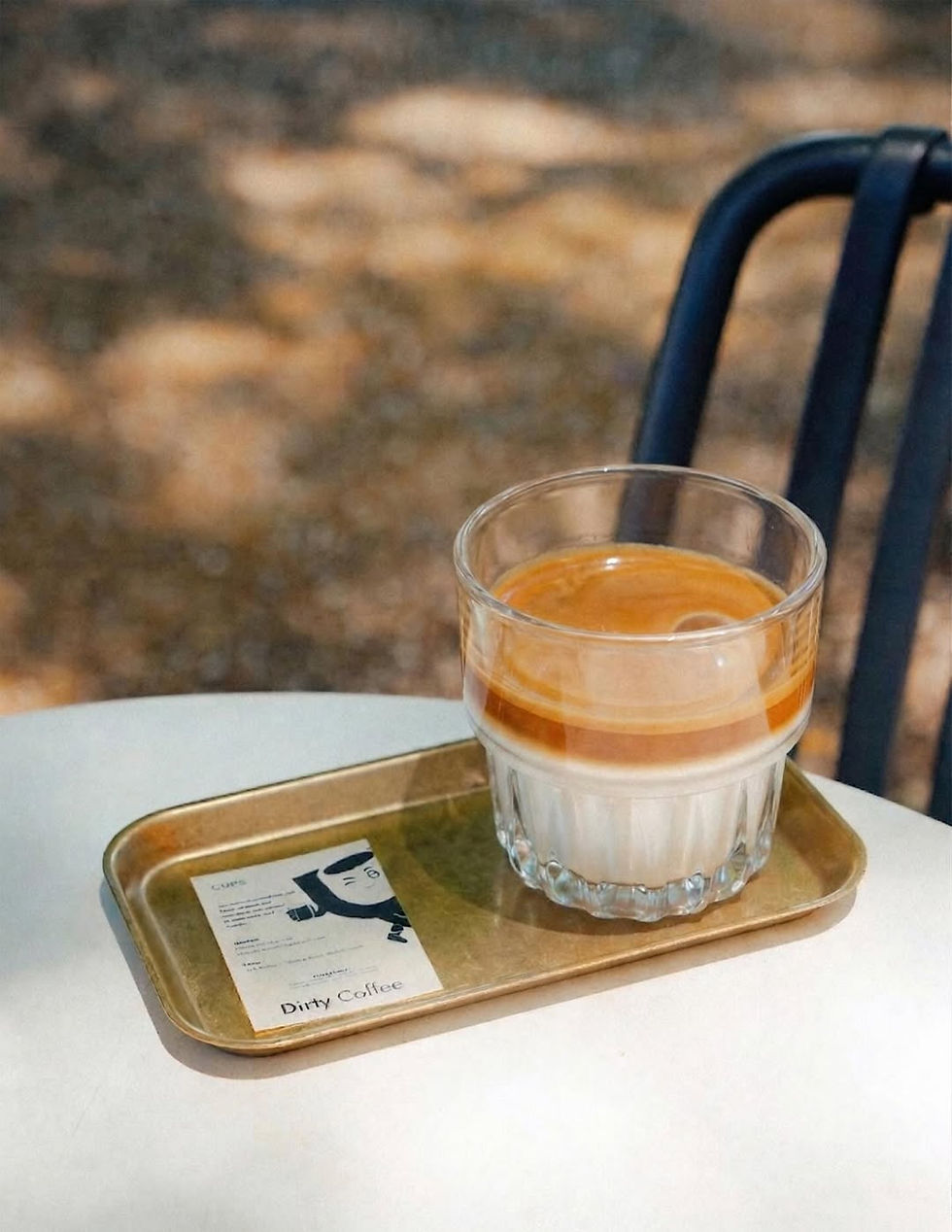
Coffee invention never seems to cease, and The Melbourne Food and Festival newsletter drew my attention to Dirty coffee. Intriguing name - particularly when I read that it involved milk at a ridiculous temperature of -86ºC. I now know that this extreme temperature is a Melbourne thing, and also particular to one Café - Regulars. People I tried to get an exact description of dirty coffee - initially finding this from Cups on Melbourne's Facebook page:
"a slow pour of rich espresso over cold milk, melting into layers, bold, smooth, a little wild."
but that doesn't really tell you anything, so at that point I resorted to Google AI - although the source is Broadsheet - which is behind a pay wall:
"The Signature Drink: Regulars serves a viral Dirty -85°C Coffee where a glass is blast-frozen to extreme sub-zero temperatures, filled with vanilla-infused St David Dairy milk, and topped with a hot Brazilian-Colombian ristretto shot.
How to Drink It: You sip it directly to experience the contrasting hot and cold layers, then stir it together for an affogato-like, creamy texture"
However, then I found that it's just the -86ºC that is the Melbourne thing. How come the glass doesn't break when the hot coffee is poured on the ice-cold milk I wondered? Indeed I still do. Dirty coffee itself however, was actually invented by a Tokyo barista called Katsuyuki Tanaka inspired by coffees he had drunk in Bangkok. In an article called Understanding the Dirty Tanya Nanetti of Barista Magazine Online interviews Tanaka who tells us all about it. His version just uses cold milk, and he has two layers each of coffee and espresso. But just to prove that you can make something simple in a hugely technical way he explains in detail - real detail what he does, and how to drink it.
Saffron rice and tomatoes from home
Well not quite from home, but from Saffron Walden an Essex town that we often visited on our weekend rambles - well drives - around the Essex countryside. It was just one of those little things that reminded me of my childhood and adolsence when I read Rachel Roddy's introduction to Richard Olney's recipe for Saffron rice and tomatoes - 'a delicate, delicious dish'. The reference to Saffron Walden is because this is where the English grew saffron from the 13th century. The town, which was previously preoccupied with producing wool, became such a major grower of the saffron that it was renamed from Chipping Walden to Saffron Walden. Which I did not know. Walden means 'of the woods', or 'of strangers' - which are not quite the same thing. 'Chipping' is a market or selling place. You learn a little something every day. The saffron and tomato rice is good with poached chicken, fish or hard-boiled eggs, says Rachel.
Leftover risotto pancake
Speaking of saffron, in a Guardian article about whether you could freeze leftover risotto or not - the answer is no - I came across a reference to a Milanese dish called Risotto al salto in which the leftover risotto - the saffron risotto of Milan - is pressed into a frying pan and fried to become a crispy kind of thick pancake. Below three examples, from the relatively simple to the really fancy. I'm guessing you could do a similar thing with any kind of risotto - but these are all of the saffron variety: Risotto al salto - Laura Lazzaroni/Food and Wine; Risotto al salto con fonduto - Jaclyn DeGiorgio/La Cucina Italiana and Risotto al salto - Ryan Perry/Australian Good Food Guide

Somewhere in North Yorkshire in England in an old coal mine scientists are experimenting with growing food underground. Why?
"They want to use disused mines to grow crops, believing the stable environment and ability to use existing infrastructure could reduce the high energy costs associated with conventional vertical farming." Mark Brown/The Guardian
It's a response to climate change and as Jacob Nickles one of the project's leaders says: "We need to double food production by 2050 to support the world’s population"
Of course they won't be able to grow everything there, but some foods - such as lettuce - are ideally suited to such a controlled environment. Watch this space perhaps.

Leftover bread crusts
This is one of those little things that are thrown into articles about something else - in this case Mozzarella in carrozza by Rukmini Iyer in The Guardian. Which eventually led me to this recipe for Parmesan, thyme bread crust snacks from Nagi Maehashi of Recipe Tin Eats, who simply tossed her bread crusts in oil, cheese and thyme before frying. Done in 10 minutes and probably delicious if not good for you.
I have no picture of Rukmini Iyer's invention when faced with endless bread crusts from making school lunches for her kids. She's a good mum to cut off the crusts I think. This was her solution:
"Whisk a couple of eggs and a good splash of milk with a handful of grated cheese, then stir this through the chopped or blitzed sandwich crusts. Bake in a shallow dish at 200C (180C fan)/390F/gas 6 for 10-12 minutes, until just set. Once cool (you can refrigerate it overnight, if you wish), cut into squares, then fry in a little olive oil until golden brown and crisp. I billed these as “bread rosti” to the family, and topped them with cream cheese for the children and sriracha for my husband. They were a hit – not bad for half a week’s worth of sandwich leftovers." The Guardian
YEARS GONE BY
October 5
2025 - Nothing
2024 - Bulgogi
2023 - Flakes
2022 - Charter pie
2021 - Missing
2020 - Missing
2019 - Has blogging changed me?
2018 - Nothing
2016 - Is Provence real?


Rich Paickings indeed if you like the extra-ordinary or extrordinary as we like to say in English! 😜